
Carbon Yachts
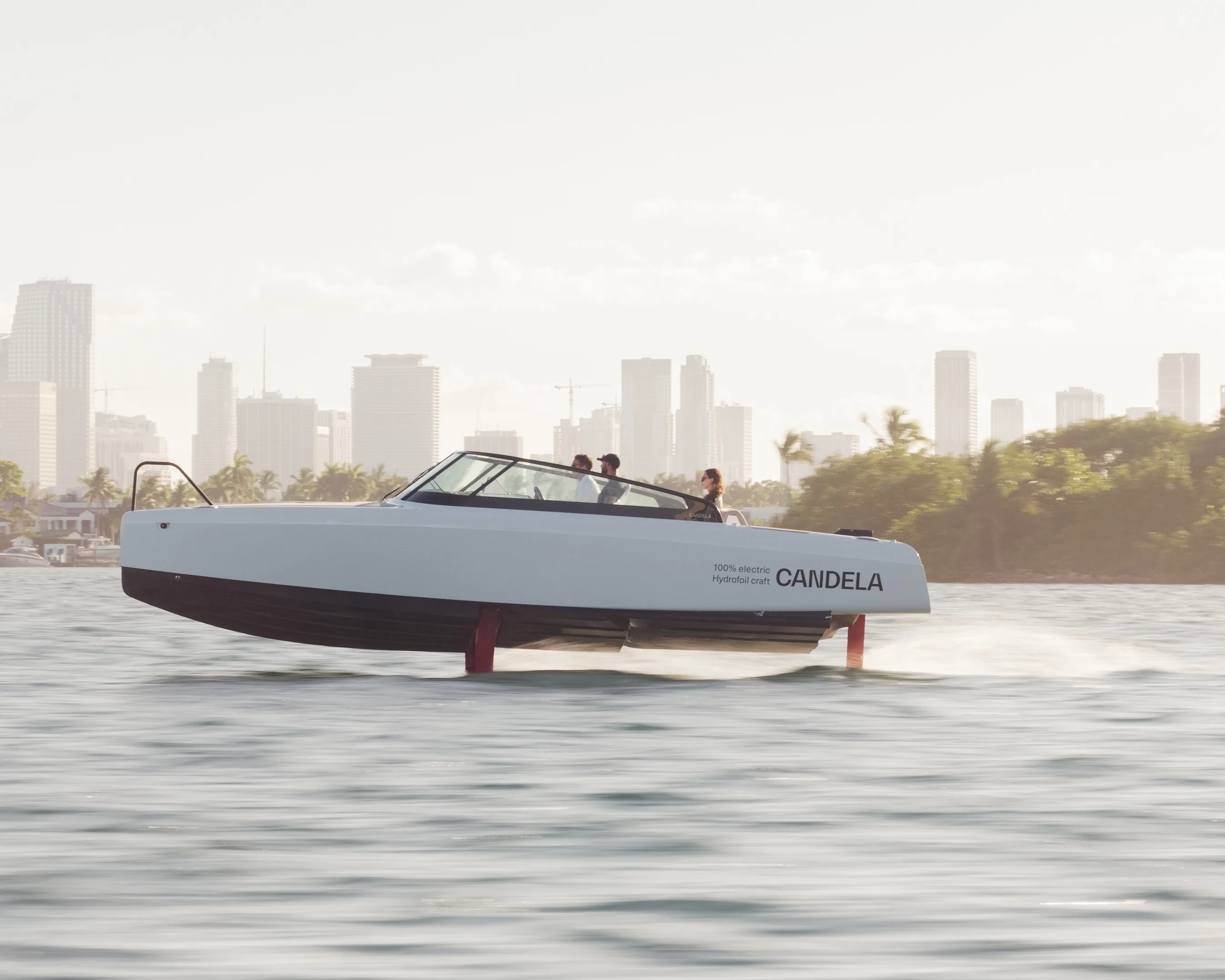
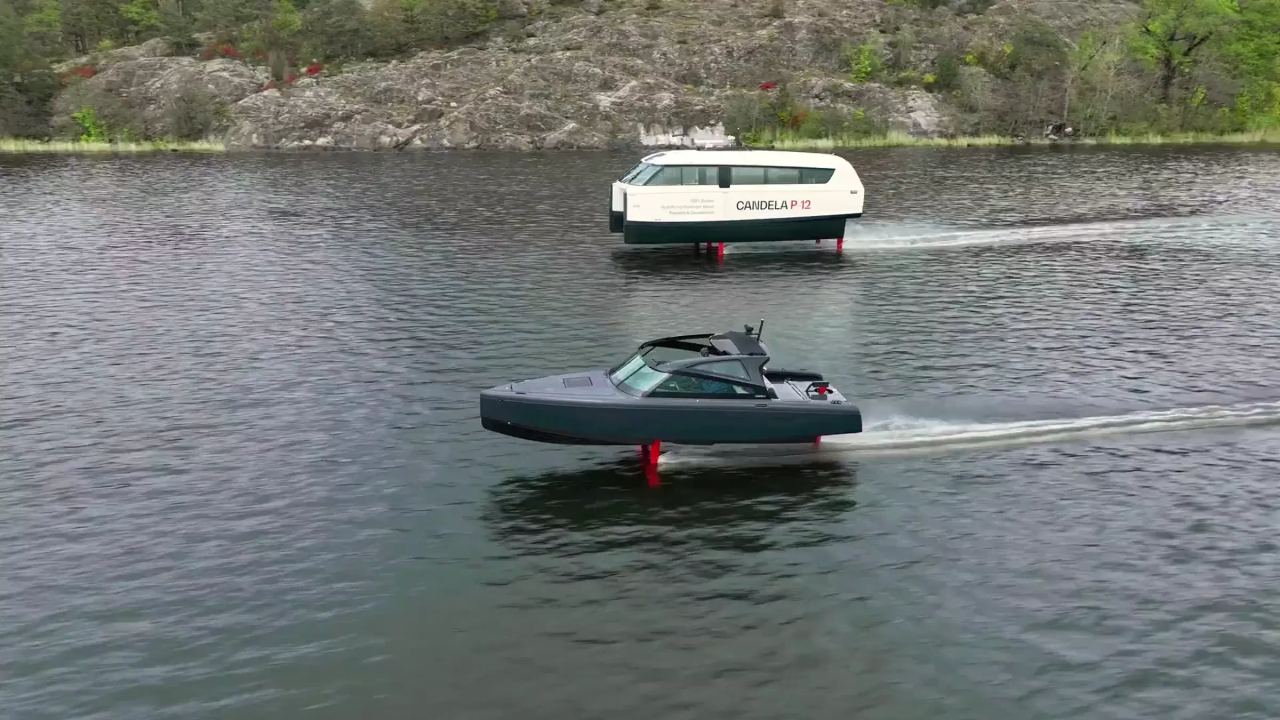
Candela C-8 electric hydrofoil flying above the water — Stockholm engineering

Candela Boats & Ferries

THE RANGE

The water was always this quiet. You just needed the right boat to find out

Gustav Hasselskog founded Candela in Stockholm in 2014 to solve a stubborn engineering problem: water creates vastly more drag than air, which is why electric boats had always run out of range before they ran out of interest.

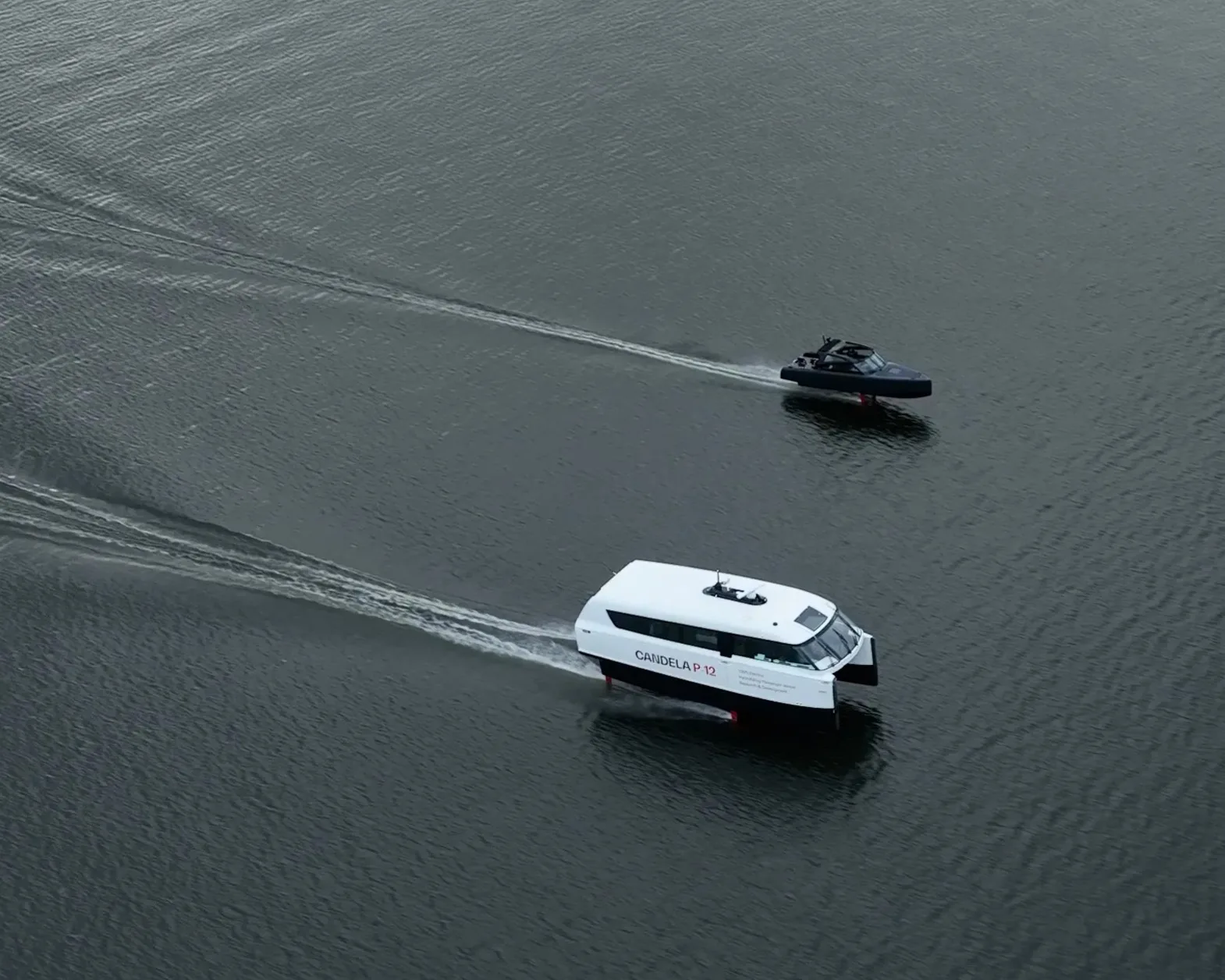
The solution was hydrofoils. Lift the hull clear of the surface, cut drag by up to 80 per cent, and battery power can suddenly do things nobody expected of it. The C-8 leisure boat and the P-12 commuter ferry share the same computer-guided flight controller, built entirely in-house, doing the same elegant physics in two very different lives.

The range · Electric hydrofoil

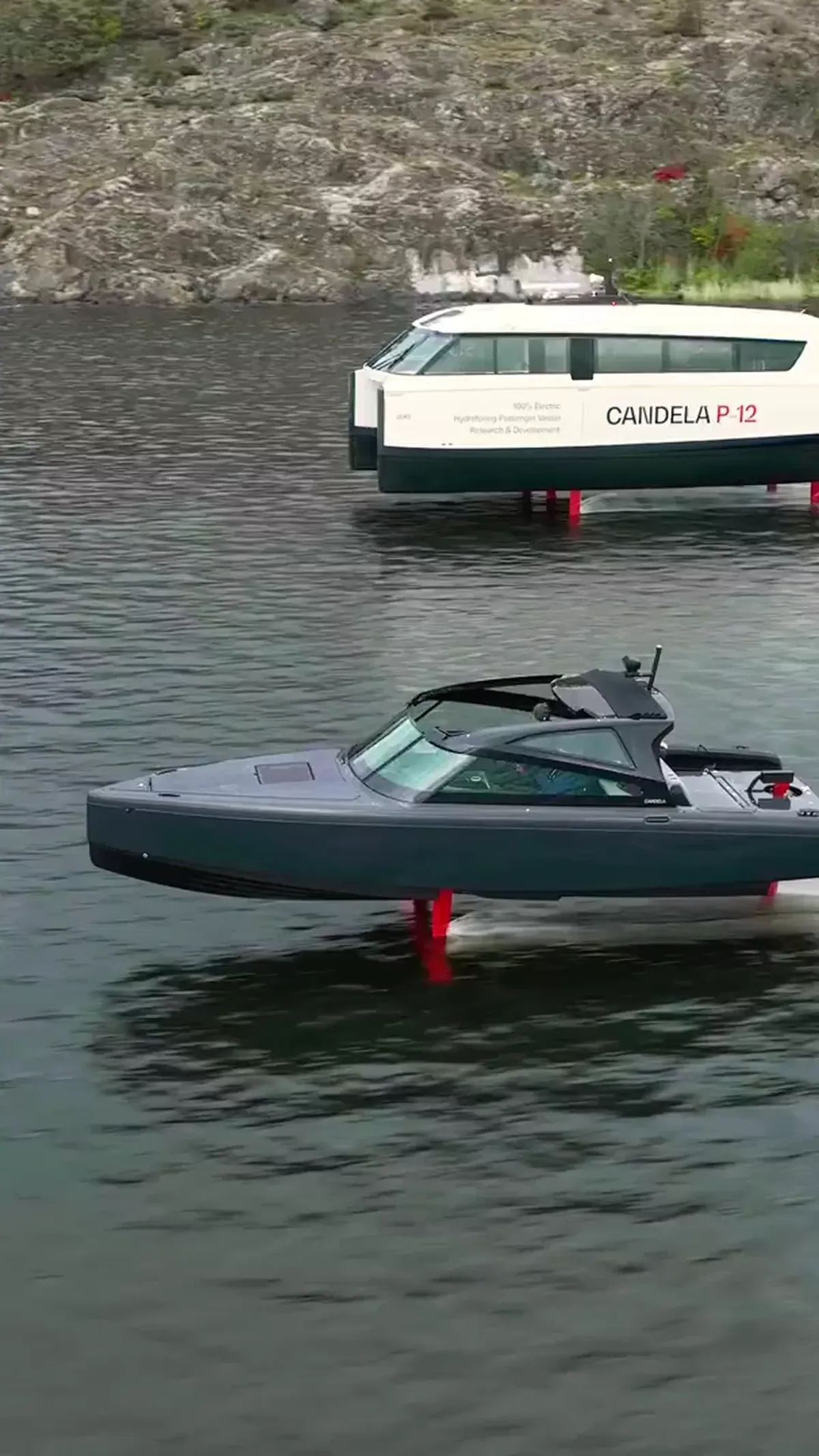
The Candela C-8 — the dayboat that flies.

THE VALUES
01Platform

Every component built by one team

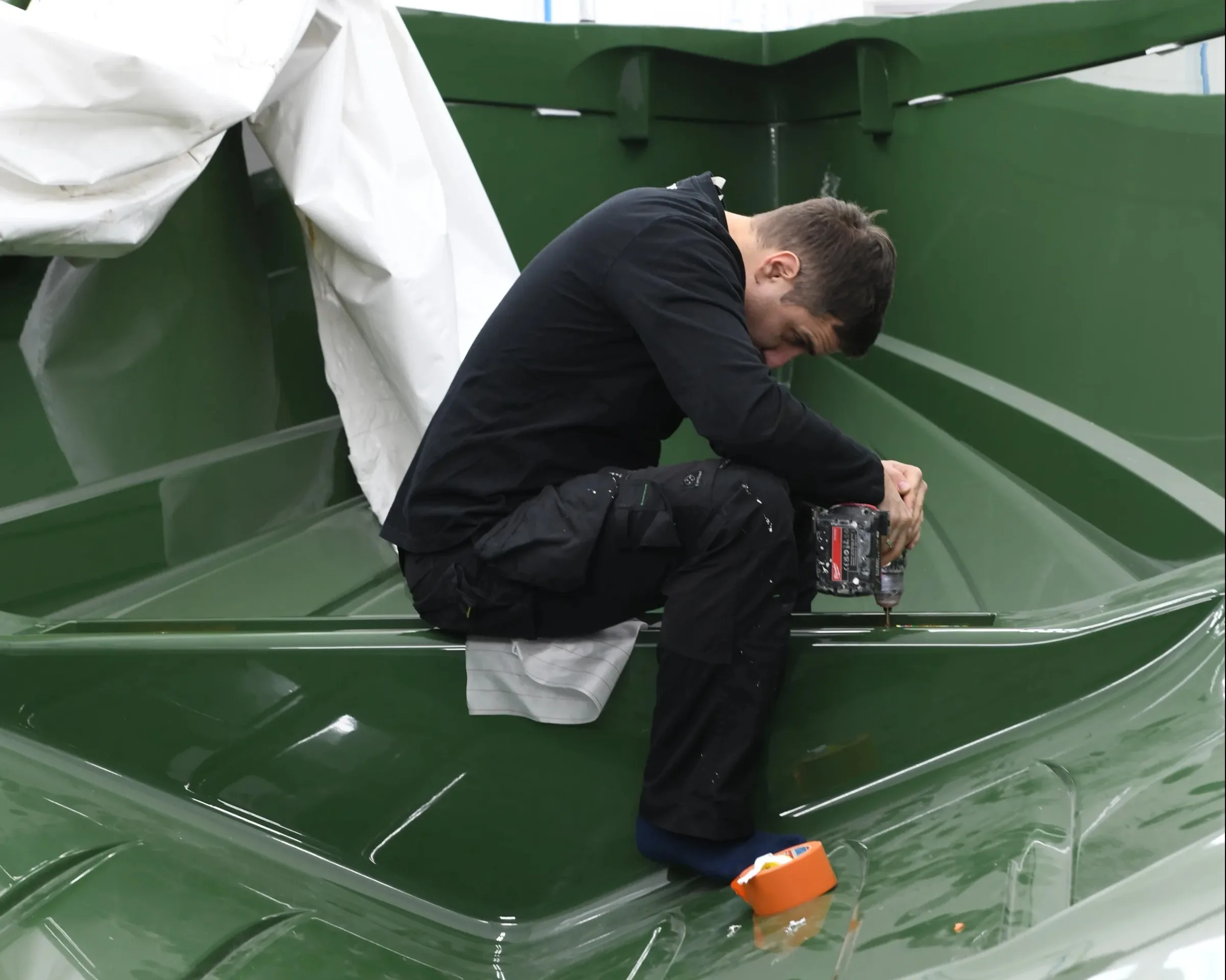
The C-Pod motor, the flight controller, the carbon fibre hulls, the proprietary foil geometry: Candela engineers every part of the platform in-house, from the software that reads the sea a hundred times a second to the drive unit submerged beneath the hull. There is no integrating someone else's motor with someone else's control logic. The whole stack is one coherent system, which is why the physics that lets a Candela fly so efficiently is also the physics that gets better with every over-the-air update.

02The Drag Equation

Less drag. More of everything else.

Every inefficiency in a conventional powerboat traces back to the same problem: hull meeting water at speed is an exercise in brute force. Drag scales with velocity, so the faster you push, the more energy you burn fighting the surface. Candela's answer is to leave it behind. Once the platform lifts onto its foils, up to 80 per cent of that drag disappears, and the battery that would have exhausted itself in 20 nautical miles suddenly has the range to make it genuinely useful.

03Wake-Free

No wake. No speed limits. No compromise.

Every conventional hull above idle speed drags a wall of water behind it, a wake that erodes shorelines, rattles moored boats and triggers speed restrictions across harbours and waterways worldwide. Candela's foils slice through the surface cleanly; the hull is flying, not ploughing, so the swell simply never forms. That physics has a practical consequence: P-12 ferries in active commuter service operate exempt from the wake-based speed restrictions that slow every other vessel on the same route.

04Arrive Refreshed

The crossing that doesn't cost you

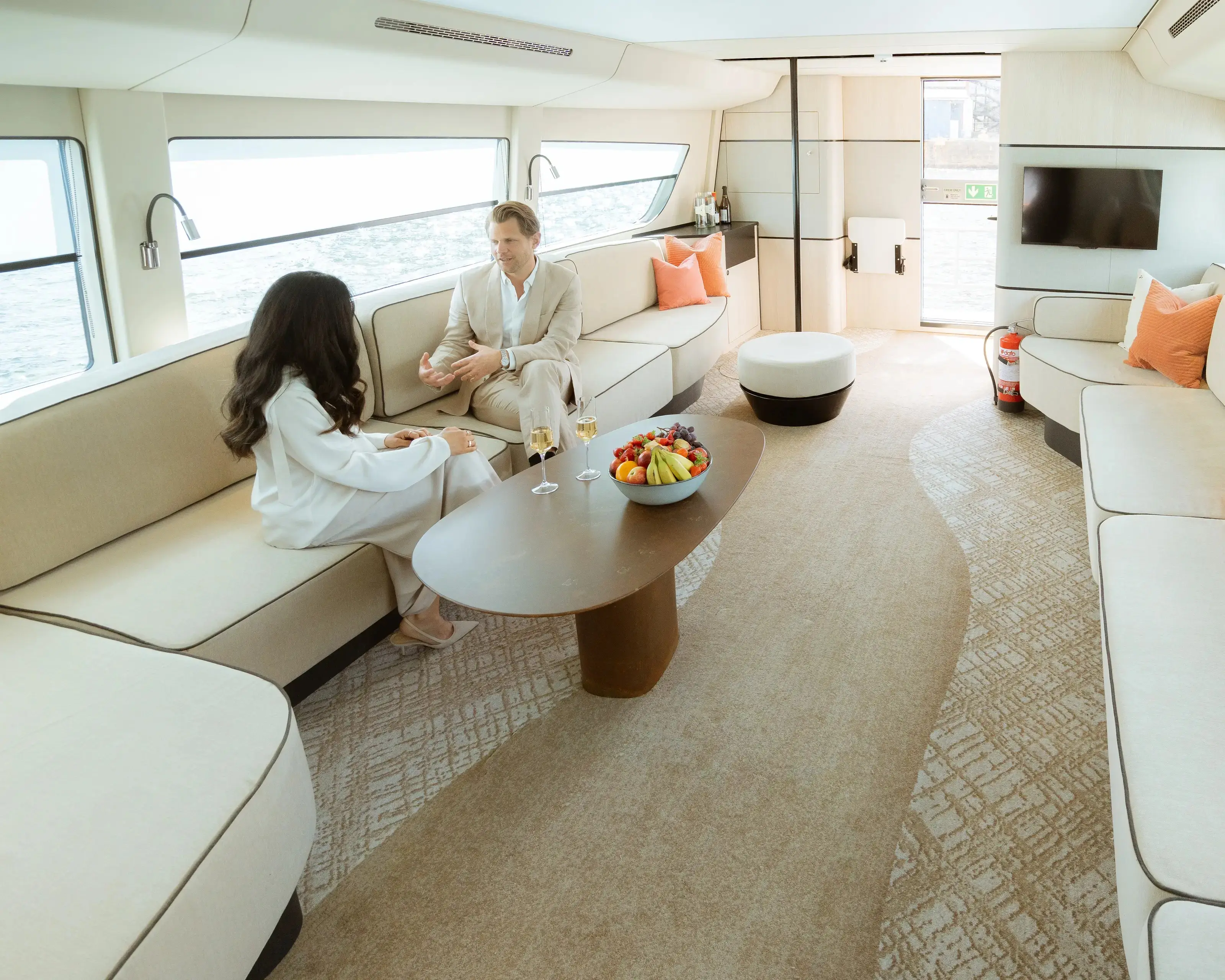
On a conventional vessel, speed is something you pay for in noise, vibration and the low-grade fatigue of an hour spent bracing against your own hull. On a Candela vessel, the hull is flying: no slam, no spray, no engine drone filling the cabin. Waves up to a metre just pass beneath. You step off at the other end clear-headed, ready for the day, which turns out to be the kind of thing owners find surprisingly hard to explain to people who haven't done it yet.

News & Stories

Latest from Candela Boats & Ferries.

Next event2026
0406SEPT

Perth Boat Show 2026

Perth Convention & Exhibition Centre, Perth WA

Perth Boat Show returns to Elizabeth Quay in September 2026. Come and say hello — full line-up announced closer to the show.

FAQ

Frequently asked about Candela Boats & Ferries.

Candela builds the entire platform in-house: the C-Foil hydrofoil system, the Flight Controller software that adjusts foil angle 100 times a second, and the C-Pod motor. That single integrated tech stack is what lets a Candela fly silent and level over the chop while using up to 80 per cent less energy than a conventional hull, delivering range that competing electric boats simply cannot match.

Computer-controlled underwater wings lift the hull clear of the water once the boat reaches speed, cutting drag by up to 80 per cent and unlocking up to three times the range of a comparable conventional electric boat. The Flight Controller reads wave conditions and adjusts foil angle 100 times every second, so the ride stays level and quiet regardless of what the water is doing beneath you.

Candela currently produces two platforms: the C-8, a 28 ft leisure hydrofoil that cruises at 22 knots with a 57 nm range and a 30 kn top speed, and the P-12, a foiling passenger ferry already running commuter routes in Stockholm and Berlin. Both share the same in-house foil, motor and flight-control technology.

Candela serves both: the C-8 is its lead leisure model, built for private owners who want the full foiling experience without compromise on range or silence. The P-12 is aimed at ferry operators and commercial clients, and is already in scheduled service carrying commuters on urban waterways.

Candela is one of the most-awarded names in electric boating, and its vessels have repeatedly rewritten what electric craft can do. The P-12 is the world's first serial-production electric hydrofoil ferry, and the platform's Flight Controller technology took five years of aerospace-grade R&D to develop.
Enquire

Talk to a Candela specialist.